Outdoor Digital Signage Selection: Three Essential Factors
Evaluate environmental protection, sunlight readability, system stability and remote maintenance during outdoor digital signage selection.
Outdoor Digital Signage Selection: Three Essential Factors
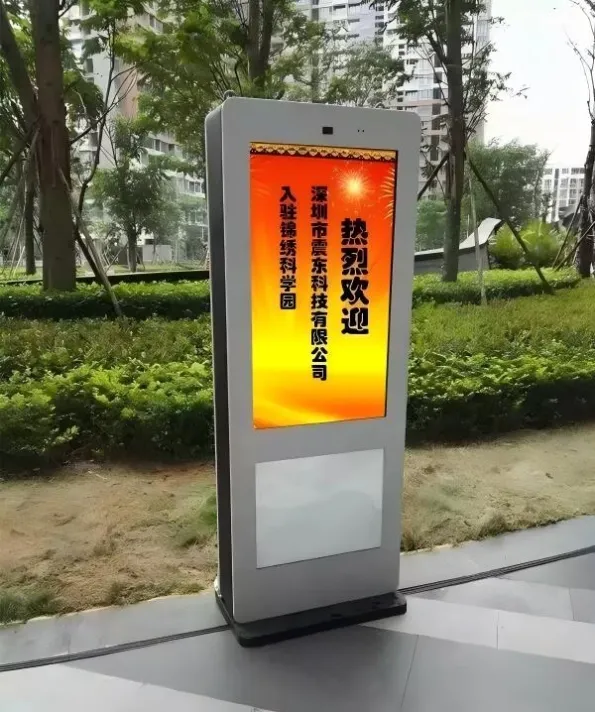
With the deep integration of digitalization and outdoor scenes, outdoor digital signage has become an important carrier for commercial information transmission and city image display. Whether it is a pedestrian street in a business district, a bus hub or a smart park, the frequency of application of this type of terminal equipment continues to increase. However, in the face of uneven product quality and function promotion on the market, project teams often face many confusions when selecting models: Is the brightness enough? Is the heat dissipation reliable? Is the system stable? In response to these core concerns, this article draws on practical manufacturing and application considerations to sort out the three key dimensions of outdoor digital signage selection, providing valuable reference for relevant practitioners. Outdoor digital signage selection should begin with the real installation environment.
Key point one: Protection level and hardware quality determine “survivability”
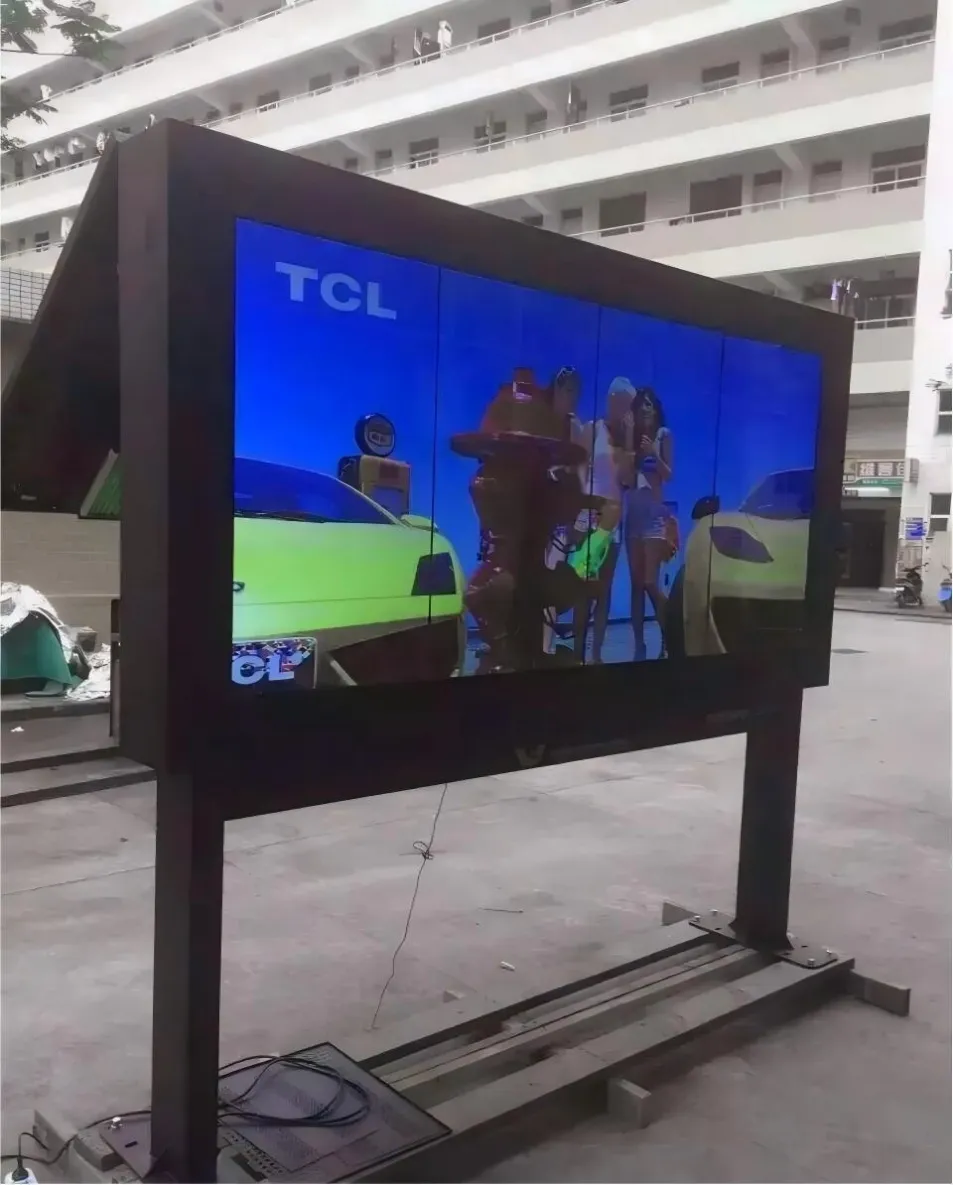
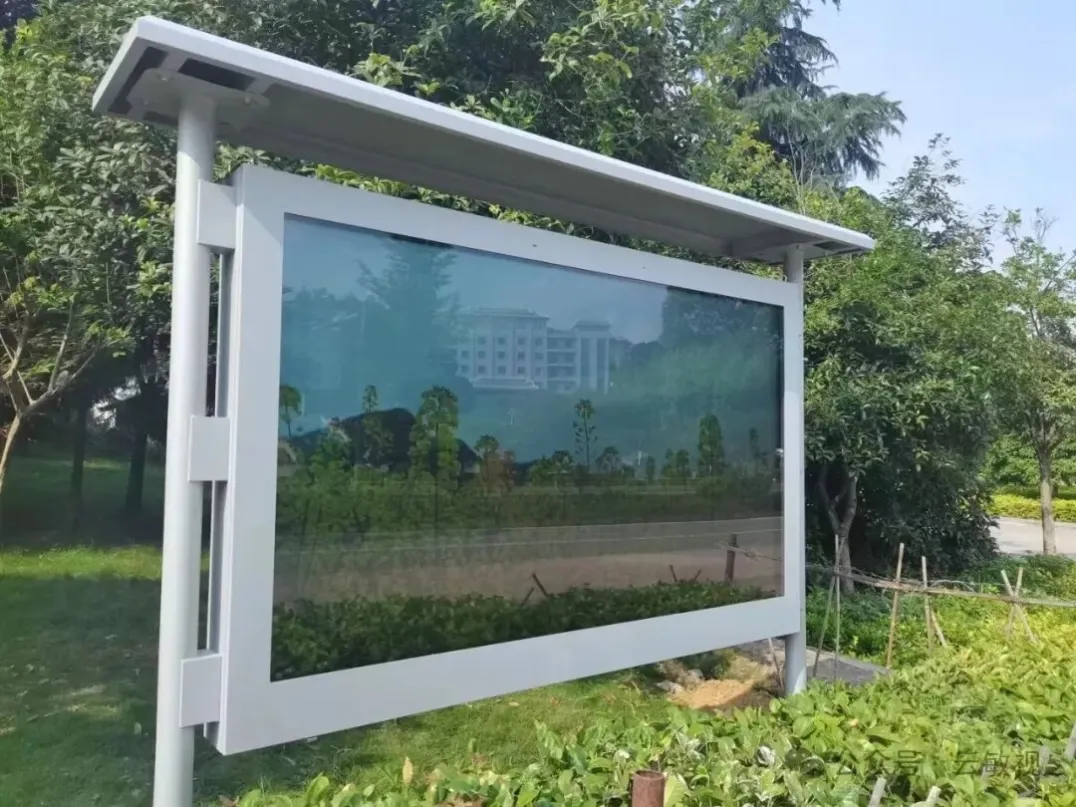
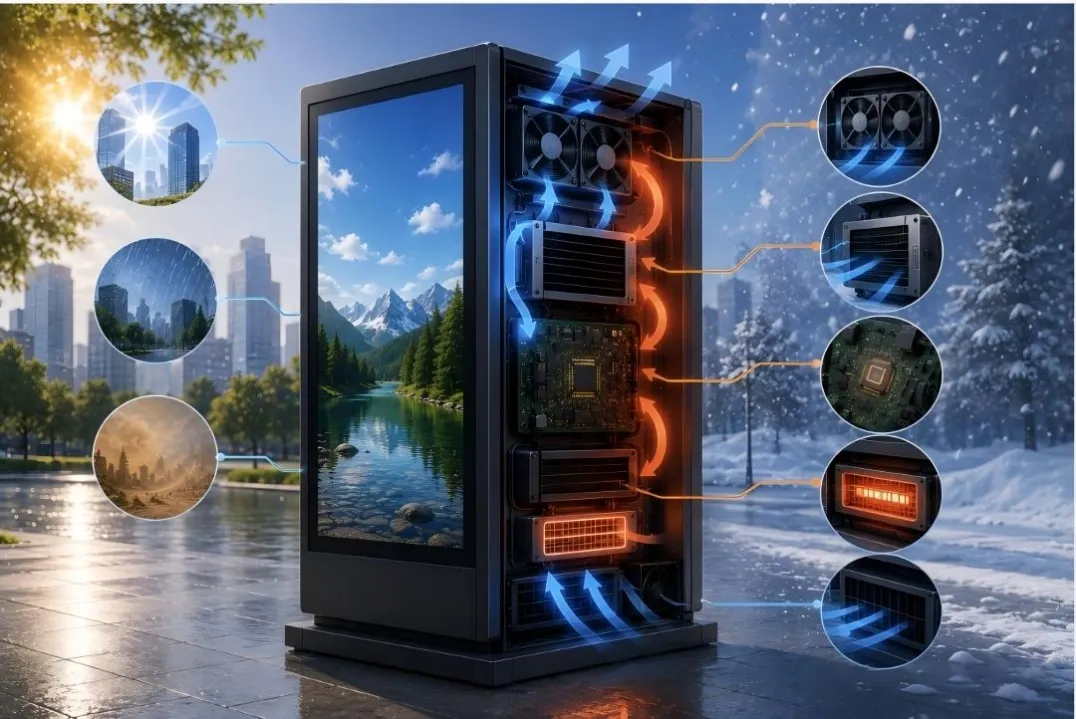
outdoor digital signage is exposed to wind, sun, rain, and dust for a long time, and their environmental adaptability is the primary consideration. Weak waterproof and dustproof construction is a common cause of outdoor display failure. Therefore, it is a safer safety line for the whole machine to meet the protection standard of IP65 and above. This requires the device to be professionally designed in details such as frame sealing, back cover interfaces, and ventilation holes, rather than simply adding a sunshade. Ingress protection is a primary consideration in outdoor digital signage selection.
In addition to shell protection, the "physical quality" of internal components cannot be ignored. Some manufacturers, such as ZXTLCD, use industrial-grade main control chips and high- and low-temperature-resistant capacitors in the production process for outdoor wide-temperature working environments to ensure that the equipment can still operate stably in the range of -20°C to 50°C. When inspecting the machine, the project teams can focus on checking whether the heat dissipation structure adopts the combination solution of "vapor chamber + smart fan" and whether it has auxiliary functions such as automatic defrosting and anti-condensation. A solid hardware foundation is the basis for ensuring the long-term service of the equipment and is also the prerequisite for reducing subsequent maintenance costs. Daylight readability should be verified during outdoor digital signage selection.
Key point 2: Display effect and intelligent light perception are related to “visibility”
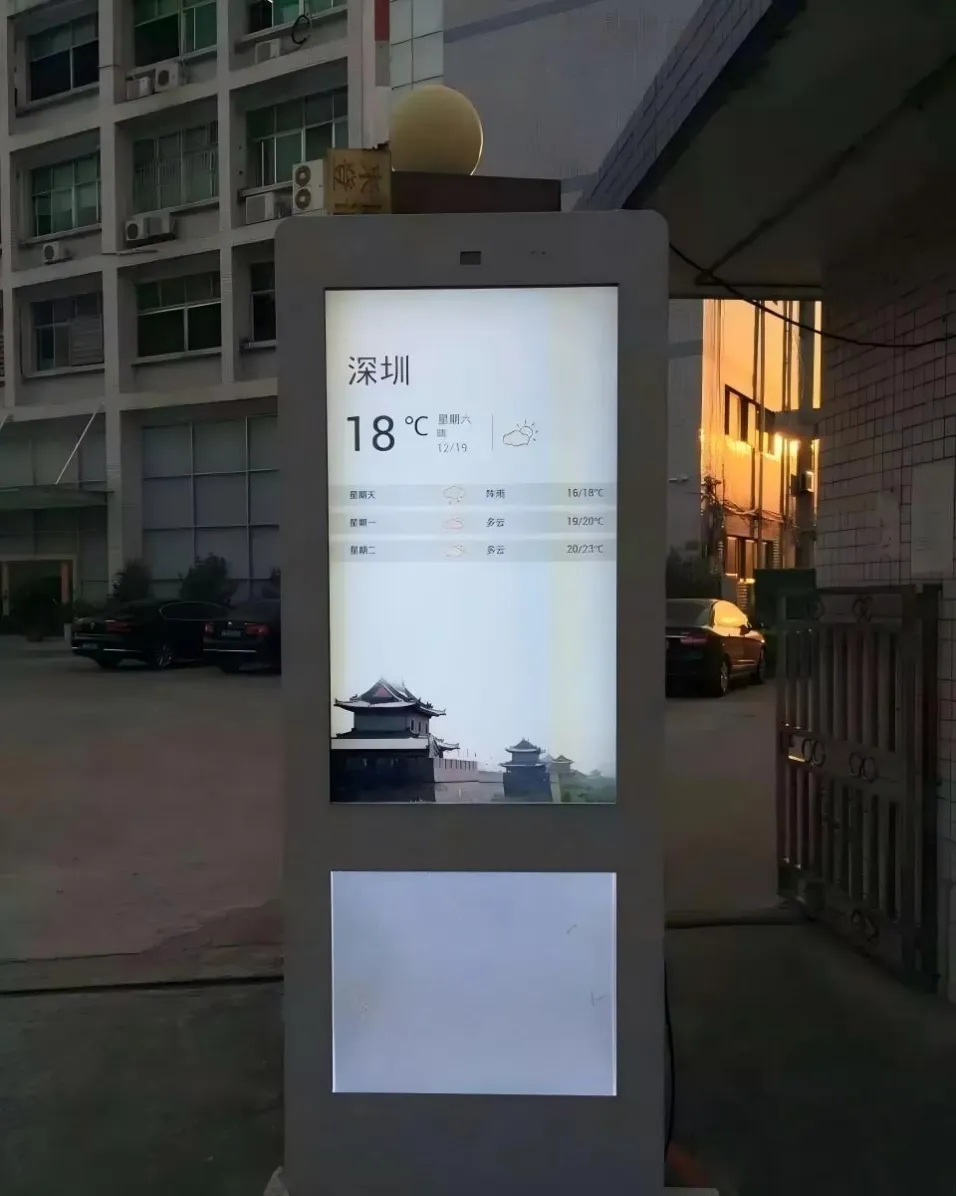
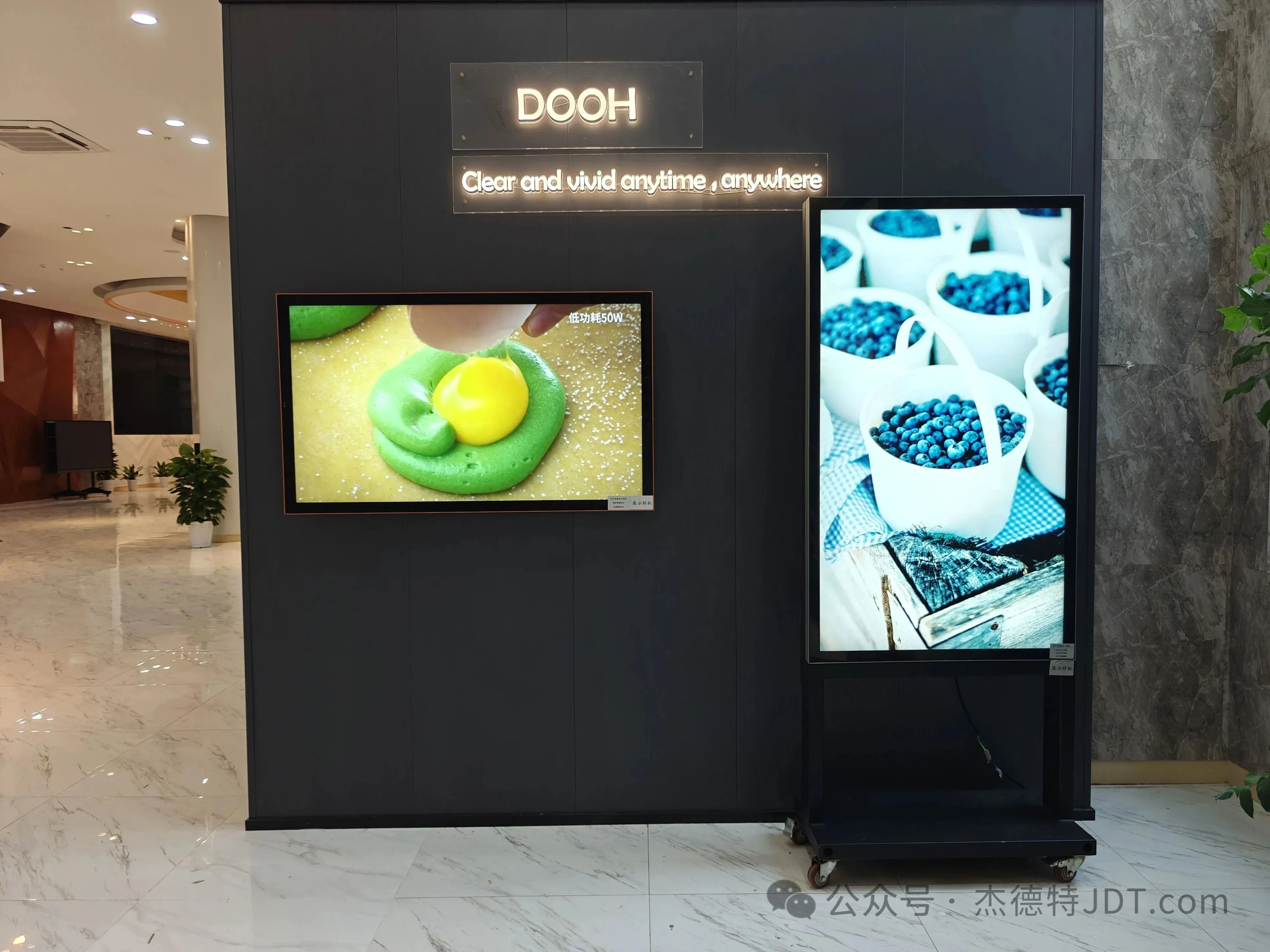
Outdoor light is complex and changeable, from strong light at noon to dark environment at night, and the display effect of the digital signage display directly affects the information reach rate. Traditional displays are prone to "black screen" phenomenon under strong outdoor light, while professional outdoor digital signage need to have high brightness characteristics. At present, mainstream products can usually achieve a brightness range of 1500nit to 2500nit and support automatic brightness adjustment. This function is not only for energy saving, but also by equipped with an ambient light sensor, it can sense the surrounding light intensity in real time and dynamically adjust the screen brightness and contrast to ensure that the picture remains clear and transparent in a scorching sun environment, and that no light pollution is caused by excessive brightness at night. System stability and remote management also influence outdoor digital signage selection.
Perspective accessibility is also an indicator that is easily overlooked. High-quality products often use wide viewing angle panels with anti-glare coatings to prevent color distortion when viewed from multiple angles. A suitable wide-viewing-angle panel helps limit visible color shift when people approach from different directions. For digital signage displays installed in open squares, the wide visual range means that more potential audiences can effectively capture the information.
Key point three: System stability and remote operation and maintenance capabilities determine “ease of use”
The value of outdoor digital signage lies in continuous operation and updating content on time. If the system goes down frequently or content updates require manual on-site operations, operational efficiency will be greatly reduced. Most of the current mature outdoor digital signage solutions have transitioned to Android or embedded Linux deeply customized systems, and emphasize low power consumption and high stability in motherboard design. A complete system that has passed appropriate aging and stability tests is better prepared for continuous operation.
For operators with multiple dispersed devices, remote cluster management capabilities are particularly critical. When selection, you should confirm whether the product supports group management, scheduled power on and off, remote restart, playlist distribution and hardware status monitoring through the cloud platform. Mature manufacturers, including ZXTLCD, usually use self-developed cloud control systems as standard equipment or core options, helping operation and maintenance personnel solve most on-site problems in the office, effectively reducing the frequency of manual inspections. Knowledgeable specifiers will list "remote fault warning" and "OTA firmware upgrade" as bonus points, which to a certain extent reflects the manufacturer's software research and development strength and follow-up service capabilities.
The selection of outdoor digital signage is not simply a comparison of the numbers on the parameter table, but a comprehensive inspection of product design, manufacturing technology, and software and hardware integration capabilities. From the shell design to withstand harsh environments, to the display adjustment to adapt to complex light, to the intelligent system to improve management efficiency, these three key points are intertwined and jointly determine the performance of the terminal in real scenarios and long-term return on investment. With the further penetration of IoT and 5G technology, the role of outdoor digital signage is evolving from a single information display screen to an interactive node in smart cities. It is foreseeable that products with stronger environmental adaptability and intelligent interaction capabilities will gain more market favor. For companies with selection intentions, returning to the essence of the application, giving priority to reliability and ease of maintenance, while maintaining attention to emerging technology trends, may make more appropriate judgments among many choices.